
The Philosophy of Yoga
A path of self-knowledge, thousands of years old.
The word yoga comes from the Sanskrit yuj, “to unite”. Far more than a physical practice, yoga is a path of self-knowledge passed down for more than three thousand years in India. It aims for the union of body and mind, breath and movement, leading to a state of inner calm and clarity.
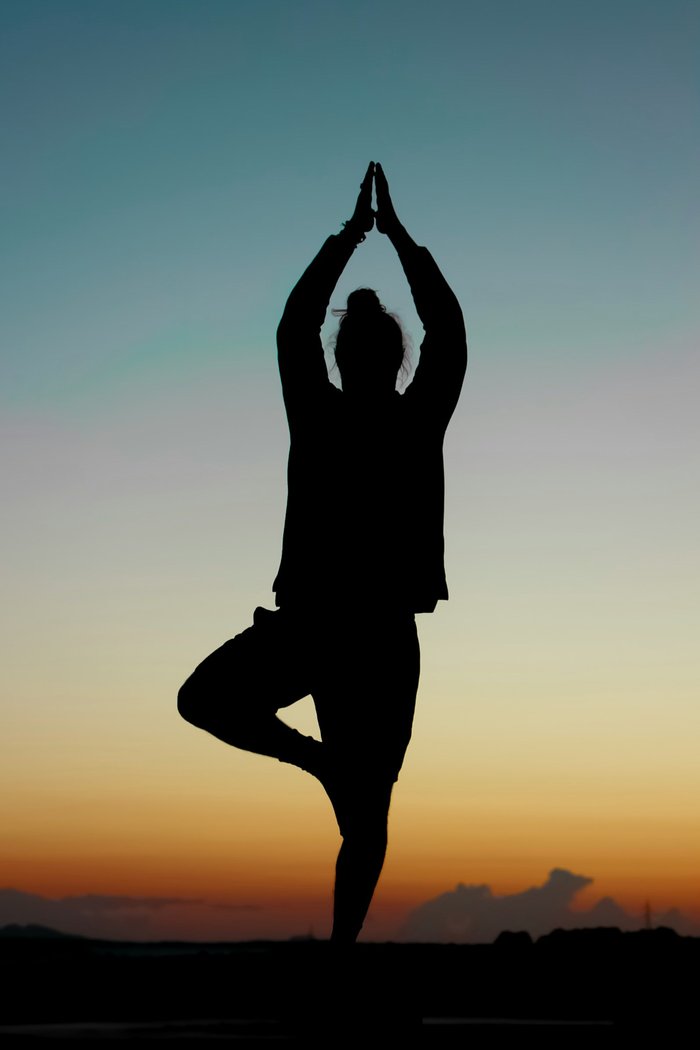
The foundational texts, Patanjali’s Yoga Sutras, define yoga as the stilling of the fluctuations of the mind (citta vritti nirodha): a path to clarity, beyond the constant noise of thoughts.
The Eight Limbs of Yoga (Ashtanga)
This tradition offers a path structured into eight limbs, encompassing ethical living as well as mastery of the body, breath and attention:
- Yama — attitude towards others and the world
- Niyama — discipline towards oneself
- Asana — postures, to stabilise the body
- Pranayama — mastery of breath and vital energy
- Pratyahara — withdrawal of the senses
- Dharana — concentration
- Dhyana — meditation
- Samadhi — union, the state of fullness
A practice, a philosophy of life
Far from being limited to physical exercise, yoga invites a deep transformation:
- Learning to observe without judging
- Learning to act without attachment to results
- Learning to cultivate presence in every moment
The body then becomes a starting point, a gateway to a broader understanding of yourself and your place in the world. Practising yoga is thus a way of reconnecting with an ancient wisdom that teaches that calm and clarity are not found outside, but are cultivated, patiently, from within.
The different forms of practice
From this philosophy many forms of practice have emerged, each exploring in its own way the path towards this union:
- Hatha yoga — a traditional practice combining postures, breathing and relaxation
- Yin yoga — a slow, meditative practice, where postures are held for several minutes
- Yoga nidra — a deep guided relaxation, between waking and sleep
- Vinyasa — more dynamic, linking postures to the rhythm of the breath
- Ashtanga yoga — a demanding physical practice, structured around codified sequences
Hatha yoga, at the heart of my teaching
Among these various paths, it is Hatha yoga that I have chosen to place at the heart of my teaching, because it gives the body time to open and the mind time to settle.